Brand identity on a small budget: what really matters
Small businesses can't afford a 200-page brand book. Here's how to build an identity that's consistent, flexible and cheap to maintain.
Creative Pouch · · 1 min read
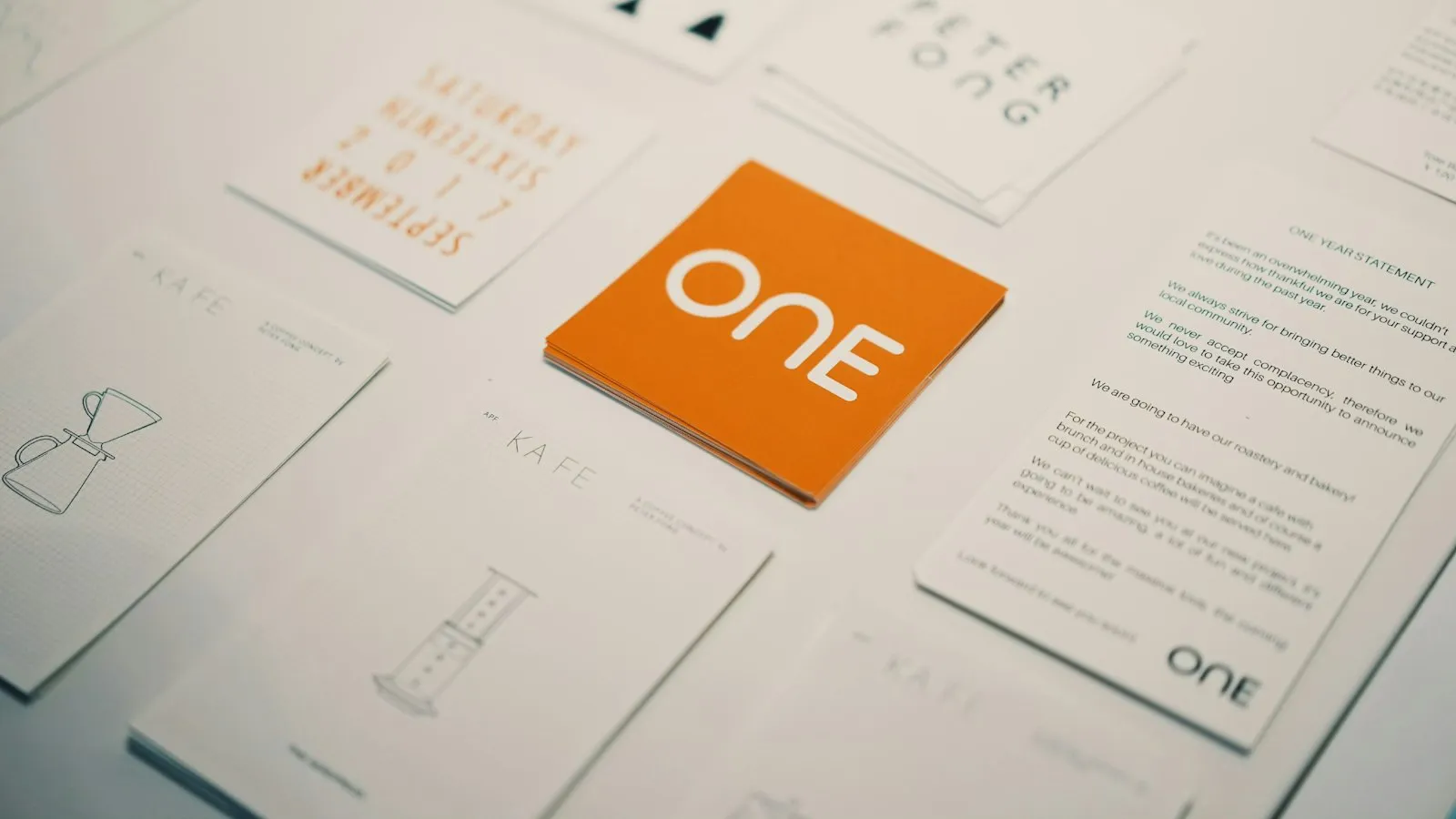
Big companies have brand teams, guidelines and agencies on retainer. A local café or a two-person studio has a logo file somewhere and a vague memory of the fonts. Yet small brands need consistency even more: every touchpoint counts when you have only a few.
The good news is that a strong small-brand identity needs surprisingly little.
The essential kit
A flexible logo
You need a main logo, a compact version for small spaces like social avatars and favicons, and one-colour versions for light and dark backgrounds. That’s it.
Two typefaces, maximum
One for headings with personality, and one for everything else that’s easy to read. Free, well-made typefaces are plentiful. Pick ones that work on the web and in print.
A small palette
One or two main colours, a neutral, and an accent. Write down the exact values for screen and print.
A voice
Three adjectives that describe how you sound, with a “this, not that” example for each. Friendly, not silly. Expert, not stiff.
Make it easy to use
A one-page guide beats a long PDF nobody opens. Include the logo files, colours, fonts and a few real examples. Store everything in one shared folder.
Templates do the real work
The fastest way to stay consistent is to never start from scratch. Create templates for what you make most: social posts, invoices, presentations, email headers. Good templates turn non-designers into consistent brand ambassadors.
Where AI fits
AI tools are great for producing variations, resizing assets and drafting copy in your brand voice. They’re less good at creating a distinctive identity from nothing. Use them to apply your brand, not to invent it.
Consistency beats perfection
A simple identity used the same way everywhere will build recognition faster than a brilliant one used differently every time.