AI video is here. What should creatives actually use it for?
Text-to-video and AI editing tools are improving fast. Here's where they already save time, and where they're still a gimmick.
Creative Pouch · · 1 min read
A couple of years ago, AI-generated video was a wobbly curiosity. Today, short clips can look convincing, and editing tools quietly use AI for dozens of tasks. For designers and small studios, video is suddenly within reach. But not every use makes sense.
Where AI video already works
The boring parts of editing
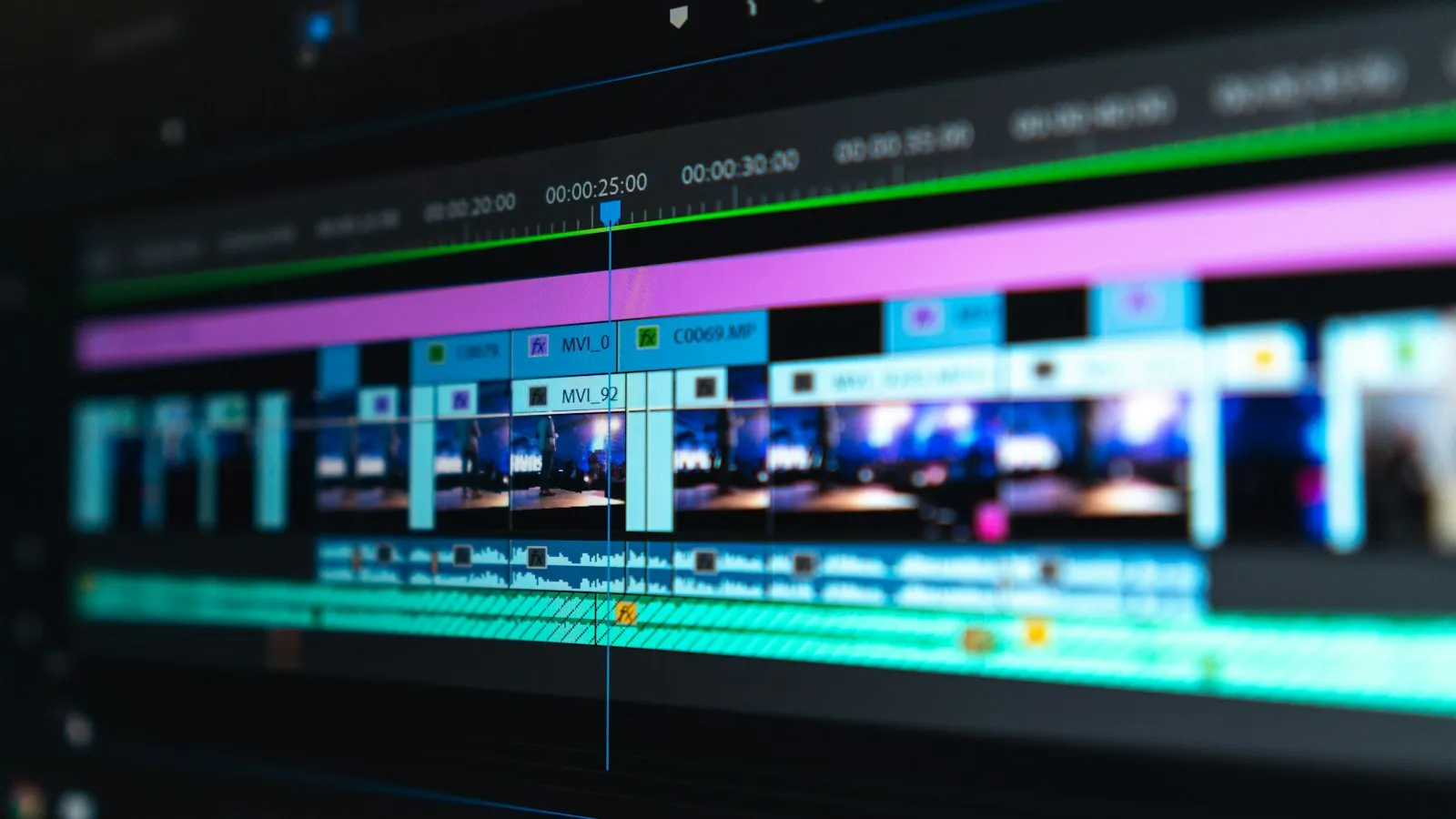
This is the biggest win, and the least glamorous. Automatic transcription and subtitles, removing silences, finding the best take, reframing a horizontal video for vertical formats and cleaning up audio. These used to take hours and now take minutes.
B-roll and backgrounds
Short atmospheric clips like clouds, textures, abstract motion and product backdrops are a good fit for generation. Nobody needs them to be “real”, and they’re expensive to shoot.
Storyboards and animatics
Generating rough moving versions of a storyboard helps clients understand an idea before anyone picks up a camera. It’s a pitching tool, not a final product.
Motion for static designs
Bringing a still illustration or product shot to life with subtle movement makes social content stand out, and AI tools can do it quickly.
Where it still struggles
- Consistency. Keeping the same character, product or logo looking identical across shots is still hard.
- Text and details. Generated video often garbles lettering, hands and small objects.
- Control. Precise timing, camera moves and choreography are easier to get right the traditional way.
- Trust. Viewers are getting better at spotting generated footage, and for some brands it can feel cheap.
A good rule of thumb
Use AI video where viewers won’t look closely, or where it replaces work nobody enjoys. Keep real footage for the moments that need to feel true: people, products and stories.
Be transparent
If a video includes generated people or realistic scenes, say so. Platforms increasingly require labels, and audiences appreciate honesty. It’s also simply the right thing to do.