A short history of generative art, from plotters to prompts
Artists were writing code to make images long before AI image generators. Their work offers useful perspective on today's tools.
Creative Pouch · · 2 min read
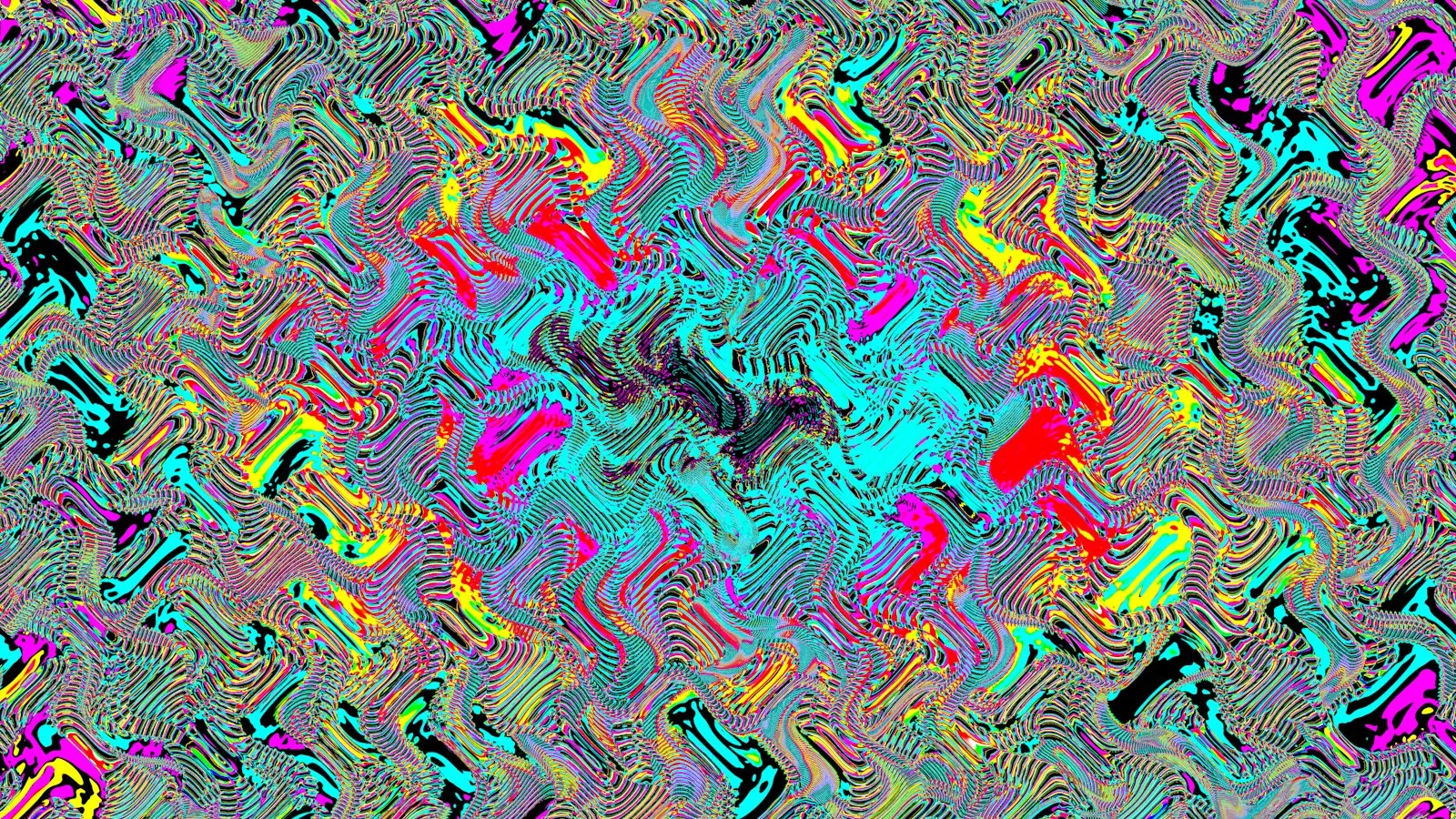
It’s easy to think AI art started a few years ago. In fact, artists have been using rules, randomness and machines to make images for more than half a century.
The pioneers of the 1960s
In 1965, some of the first exhibitions of computer-generated art took place in Germany and the United States. Mathematicians and engineers such as Georg Nees, Frieder Nake and A. Michael Noll wrote programs that drove pen plotters to draw lines, grids and shapes. The results were simple, but the idea was radical: the artist designs the system, and the machine makes the picture.
Vera Molnár and the “machine imaginaire”
Hungarian-born artist Vera Molnár began working with systematic, rule-based images even before she had access to a computer. She called her method a “machine imaginaire”. She later worked with real computers for decades, exploring how small, random changes to a simple grid could create surprising variety.
AARON, the drawing program
From the early 1970s, the painter Harold Cohen developed AARON, a program that made drawings and later colourful paintings on its own. Cohen worked on it for more than forty years. AARON raised questions we’re still asking: who is the author, the programmer or the program?
Creative coding goes mainstream
In the 2000s, tools like Processing made coding approachable for artists and designers. A large community grew around generative visuals, data art and interactive installations.
From rules to learning
Earlier generative art followed explicit rules written by the artist. Today’s AI image models learn patterns from huge collections of existing images. That’s a fundamental shift: the system is no longer fully designed by the artist, and the training data brings in the work of many others.
What the history teaches
The most memorable generative work was never about the machine alone. It came from artists with a clear idea, using the system to explore it. Today’s tools are far more powerful, but the question is the same: what do you want to say with them?