Dieter Rams' ten principles, applied to AI products
Dieter Rams' ten principles of good design, from 'innovative' to 'as little design as possible', reread as a practical guide for designing AI features and products.
Creative Pouch · · 3 min read
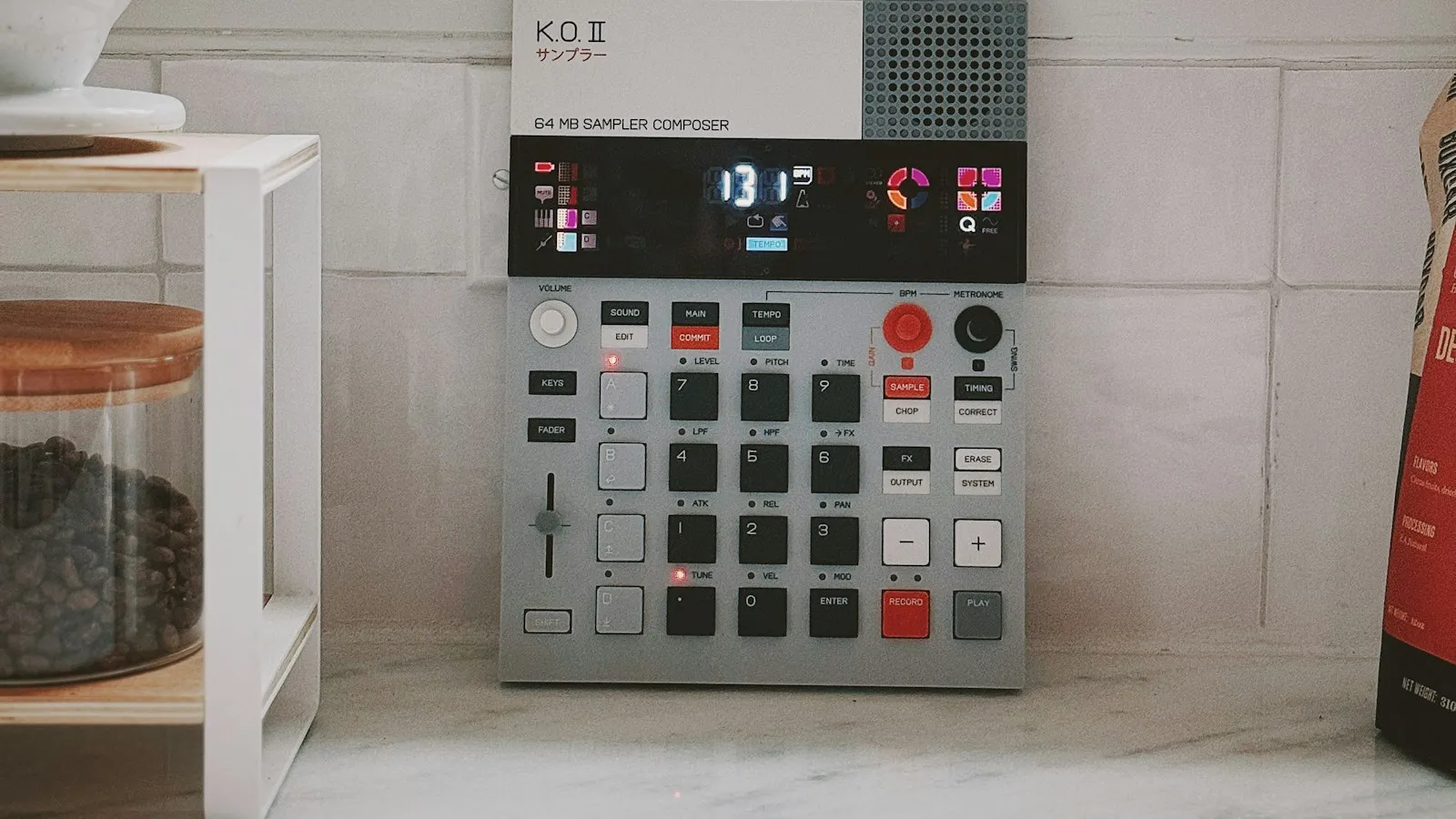
In the late 1970s, Dieter Rams, the industrial designer behind decades of Braun products, asked himself whether his own work was good design. His answer became ten principles that designers still quote today. They were written for radios, shavers and shelving systems, but they read surprisingly well as a checklist for AI products, which are often clever but confusing.
Here’s each principle, and what it means when the product is a model, an assistant or an AI feature.
1. Good design is innovative
Rams added that innovation always develops together with technology, and is never an end in itself. For AI that’s the key point: “it uses AI” is not a value proposition. The innovation should be in what users can now do, not in the technology behind it.
2. Good design makes a product useful
A product should satisfy functional and psychological needs. Many AI features demo beautifully and are rarely used, because they don’t fit a real task. Start from the job users are trying to do, and add AI only where it removes friction from that job.
3. Good design is aesthetic
Aesthetics affect how people feel about a product. For AI, this includes the tone of generated text, the pacing of responses and how uncertainty is shown. A calm, consistent interface makes an unpredictable system feel more trustworthy.
4. Good design makes a product understandable
Ideally a product explains itself. AI products struggle here: users don’t know what they can ask, what the system knows or why it answered as it did. Good patterns include example prompts, clear capability statements, visible sources and simple explanations of why a suggestion appeared.
5. Good design is unobtrusive
Products are tools, not decorative objects. The best AI features often have no chat window at all: a better default, a suggested next step, an automatic summary. Not every feature needs a sparkle icon and a “generate” button.
6. Good design is honest
Rams warned against making a product seem more powerful or valuable than it is. For AI this is directly practical: don’t present guesses as facts, label generated content, show confidence where it matters, and don’t give an assistant a human persona it can’t live up to.
7. Good design is long-lasting
Rams wanted products that avoid being fashionable and therefore never look dated. AI interfaces change quickly, but the underlying needs don’t. Design for the task, keep users’ data and work portable, and avoid locking a product into the quirks of one model.
8. Good design is thorough down to the last detail
Nothing should be arbitrary. In AI products the details are often the edge cases: empty states, errors, slow responses, refusals and wrong answers. Designing how the product fails is as important as designing how it succeeds.
9. Good design is environmentally friendly
Rams meant conserving resources. AI models use significant energy and computing power. Thoughtful design avoids generating content no one asked for, caches results, and uses smaller models where they’re good enough.
10. Good design is as little design as possible
“Less, but better.” For AI products this may be the most important principle of all. Resist the urge to add every possible capability. A focused feature that does one thing reliably is more valuable than a general assistant that does many things unpredictably.
Using the principles in practice
Turn the list into review questions for your next AI feature:
- What can users do now that they couldn’t before? (1, 2)
- Do users understand what it can and can’t do? (4, 6)
- What happens when it’s wrong? (8)
- Could this be simpler, or invisible? (5, 10)
Rams’ principles are nearly fifty years old. Their staying power is a reminder that good design doesn’t start with technology. It starts with people, and with restraint. For more design history that still matters, see What the Bauhaus can teach us about designing with AI.