
AI as a Designer's Superpower, Not a Replacement
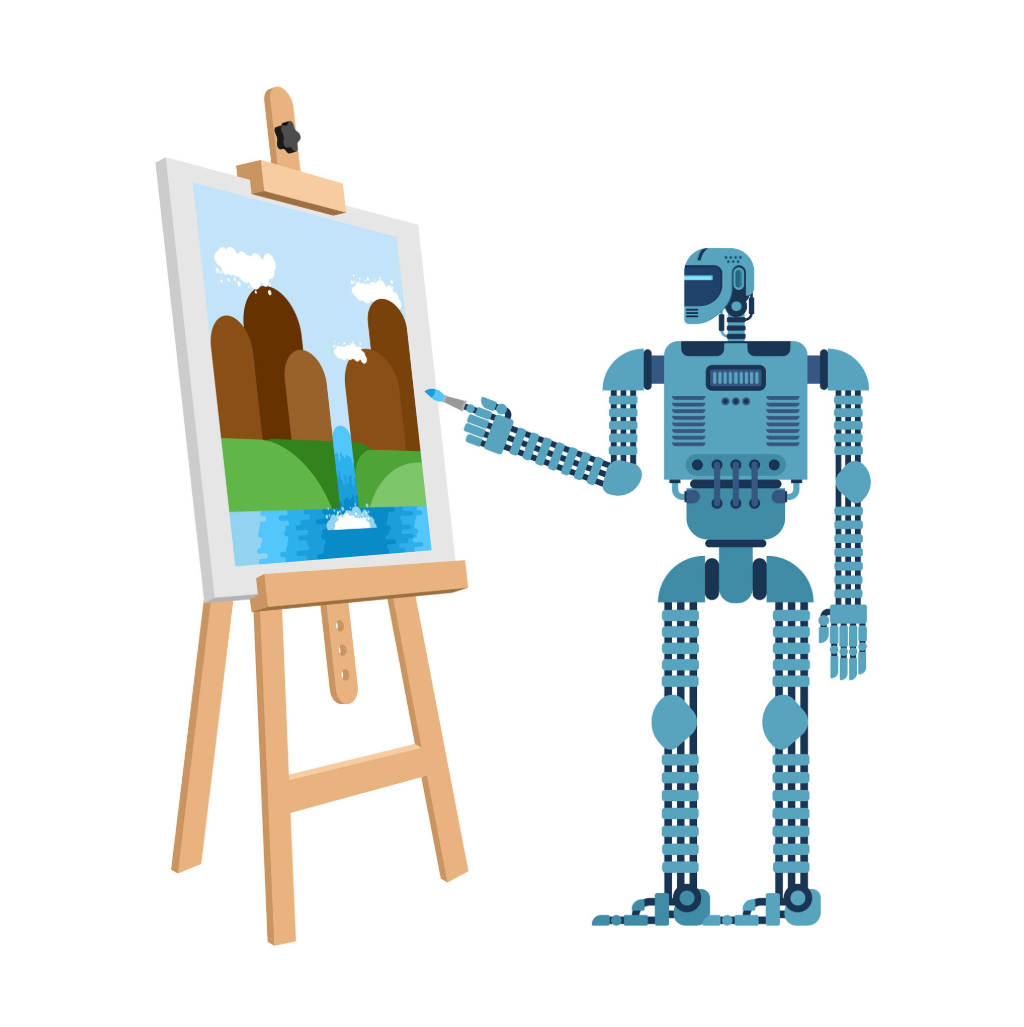
AI as a Designer's Superpower, Not a Replacement
The design industry is undergoing its most rapid transformation in decades. Artificial intelligence tools are no longer confined to experimental tech labs—they have become an essential part of the workflow for leading agencies and freelancers alike. Yet the core question remains: will AI replace designers, or will it become their ultimate partner?
How AI is Transforming the Design Process
AI tools significantly shorten the time required to move from an initial concept to a first visual draft. This allows designers to spend less time on repetitive tasks and focus more on strategy, storytelling, and high-level creativity.
- Ideation and Moodboarding: Tools like Midjourney and DALL-E 3 allow designers to visualize abstract concepts in seconds, helping clients understand the visual direction early in the process.
- Automating Repetitive Tasks: Background removal, image upscaling without loss of quality, and layout adjustments now happen with a single click.
- Personalized UI/UX Design: Generative AI can produce dozens of layout variations for A/B testing based on real user behavior data.
Top 3 AI Tools to Try Today
| Tool | Primary Function | Best Use Case |
|---|---|---|
| Midjourney / DALL-E 3 | Text-to-image generation | Concept art, moodboards, and custom illustrations |
| Adobe Firefly | Generative fill inside Photoshop | Editing existing images, expanding canvas, and modifying elements |
| Figma AI | Generative UI/UX layouts | Wireframing, copy optimization, and design system maintenance |
Why the Human Touch Remains Essential
While AI can generate stunning visuals, it lacks three critical ingredients: emotional intelligence, strategic context, and genuine empathy.
AI cannot fully grasp a brand’s core human values or build a deep connection with an audience. It processes existing data patterns to predict results. True innovation happens when a designer uses AI as a tool to execute a distinct vision—not when relying blindly on algorithmic output.
The takeaway: AI won't replace designers, but designers who use AI will replace those who don't.